Nosvisitan
Neuroplasticity, the brain’s remarkable ability to adapt and rewire itself, has been a captivating and transformative phenomenon for decades and has intrigued scientists and researchers. The brain’s adaptability is pivotal for rehabilitation, cognitive enhancement, and understanding brain changes, offering hope for recovery and progress. Explore the intricacies of neuroplasticity and its significance in understanding brain changes, its potential for rehabilitation, and its implications for cognitive enhancement and recovery.
Understanding Neuroplasticity and Brain Changes
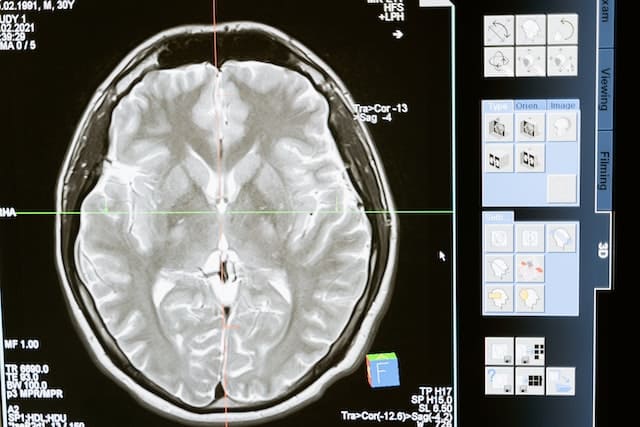
The brain’s ability to rearrange its connections, structure, and functions in response to experiences, education, and damage is known as neuroplasticity, often called the brain’s plasticity. This extraordinary phenomenon is not limited to a specific age or period of life but is a lifelong process.
Recent research has shown that the brain continually adapts, forming new neural pathways and synapses, even in adulthood.
This adaptability is vital for learning new skills, adapting to changing environments, and recovering from injuries.
Harnessing Neuroplasticity for Rehabilitation
The harnessing of neuroplasticity for rehabilitation has been a game-changer in medicine and therapy. Neuroplasticity-based focused rehabilitation programs might benefit those who have suffered from stroke or other illnesses, including traumatic brain injuries. Therapies such as cognitive training, physical therapy, and even neurofeedback have shown promising results in helping patients recover lost functions. By creating focused and repetitive exercises, therapists can encourage the brain to reroute functions to undamaged areas, facilitating recovery and improving quality of life.
Implications for Cognitive Enhancement and Recovery
Understanding neuroplasticity also opens doors to cognitive enhancement and recovery. Individuals can sharpen their cognitive abilities throughout life, from enhancing memory and problem-solving skills to acquiring new languages or musical talents.
Moreover, neuroplasticity offers hope to those facing cognitive decline, such as Alzheimer’s disease or age-related memory impairment. Brain-training exercises and a healthy lifestyle may slow down cognitive decline and enhance overall brain function.
Simply speaking, neuroplasticity reveals the brain’s extraordinary capacity to adapt and evolve. This phenomenon has profound implications for understanding brain changes, rehabilitation, and cognitive enhancement. As we continue to unlock the mysteries of neuroplasticity, we open doors to a world of possibilities for brain health and human potential.