Cons 14
The relationship between technology and biology has led to groundbreaking innovations in the healthcare landscape. One such connection between science and medicine is the field of Artificial Organs and Regenerative Medicine, which is reshaping the future of healthcare.
The Historical Evolution
To understand the significance of artificial organs and regenerative medicine today, it’s crucial to explore their historical background. Over the past century, these two fields have seen remarkable progress. Initially, the focus was on developing mechanical substitutes for damaged organs. Heart-lung machine was invented back in the 50s, which opened doors for heart surgeries. It has paved the way for more complex artificial organs. Advancements in regenerative medicine emerged alongside these developments.
Stem cell research and tissue engineering began to play a part, offering hope for organ transplantation without the need for donors.
Artificial Organs and Tissues
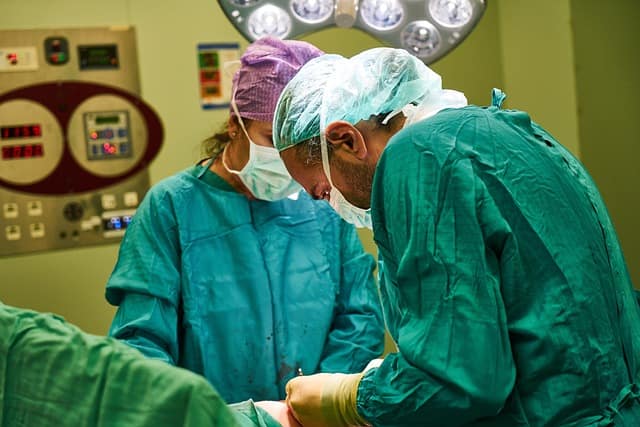
Artificial organs and tissues give hope for patients suffering from organ failure. These remarkable creations can replicate the essential functions of the human body, such as artificial hearts that pump blood or artificial kidneys that filter toxins. The field’s growth is attributed to innovative materials, 3D printing technology, and bioengineering expertise.
One of the most significant advantages lies in the potential to alleviate the organ shortage crisis. With millions waiting for transplants worldwide, developing functional artificial organs could save countless lives. Moreover, these artificial solutions reduce the risk of rejection, as they can be tailored to match the recipient’s specific needs.
Addressing Access Concerns
Despite the immense potential, there are challenges in ensuring widespread access to artificial organs and regenerative medicine. Cost, availability, and equitable distribution are critical issues. The collaboration between healthcare systems, insurance, and research institutions must be carefully managed to make these innovations accessible.
Additionally, ethical dilemmas concerning creating and utilizing artificial organs must be thoroughly examined. Balancing the benefits and potential risks requires involving experts from various fields.
These fields offer hope for countless patients and have the potential to revolutionize organ transplantation and healthcare as we know it. However, it must be approached with caution and responsibility to ensure that these innovations benefit everyone, regardless of their circumstances.